British Airways Emergency Landing: Passenger's Account of Distress Call
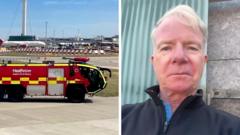
Passenger Recounts Harrowing British Airways Emergency Landing Experience
Edward Killiwick was aboard a British Airways flight that transmitted a mayday distress signal before successfully landing at London's Heathrow Airport earlier this month. The dramatic incident left passengers experiencing intense moments of uncertainty as the aircraft made its emergency descent to the runway.
The British Airways emergency landing unfolded rapidly once the distress call was initiated. Killiwick's firsthand testimony provides crucial insight into the psychological and emotional impact such aviation events have on those traveling aboard the affected aircraft. His account highlights the raw human reaction to unexpected in-flight emergencies that test both crew professionalism and passenger resilience.
The Distress Call and Flight Response
When the mayday signal was issued, cabin crew immediately began executing established emergency protocols. The distress call alerted air traffic controllers at Heathrow, who prioritized the incoming aircraft and cleared landing procedures accordingly. This coordinated response between pilots and ground personnel proved essential to ensuring the safe conclusion of what could have been a catastrophic event.
Throughout the emergency sequence, the British Airways flight crew maintained composure and professional standards. Their training and experience became evident in how they communicated with passengers and prepared the aircraft for an expedited landing approach. The coordination between the flight deck and cabin crew demonstrates the rigorous preparation that commercial aviation demands.
Passenger Emotions During the Emergency
Killiwick described the atmosphere aboard the aircraft as one of mounting anxiety and fear. Passengers grappled with uncertainty about their safety, with some expressing desperate sentiments about survival. The psychological weight of experiencing a distress call firsthand cannot be understated, as individuals aboard confront their mortality in ways most travelers never anticipate.
The fear that gripped passengers during this British Airways emergency landing reflected natural human responses to perceived danger. While some maintained composure, others voiced concerns about whether they would survive the incident. These emotional reactions, though understandable, occurred alongside the professional management of the emergency by experienced aviation personnel.
Safe Landing and Resolution
Despite the severity of the situation, the British Airways flight touched down safely at Heathrow without incident. Emergency services stood ready on the tarmac, prepared to respond to any complications upon landing. However, the aircraft came to a stop without requiring additional emergency interventions, allowing passengers to disembark in an orderly fashion.
The successful conclusion of this distress call incident underscores the effectiveness of modern aviation safety systems. Multiple layers of redundancy, from pilot training to ground control procedures, functioned as designed. The Heathrow landing represents a successful outcome in what could have presented serious risks.
Aviation Safety and Emergency Preparedness
This British Airways emergency landing event highlights why aviation remains one of the safest transportation modes available to the traveling public. The mayday distress signal system exists precisely to handle situations where aircraft encounter unexpected technical or operational challenges during flight.
Commercial airlines invest substantially in crew training, aircraft maintenance, and procedural development to ensure passenger safety. When emergencies do occur, these investments demonstrate their value through successful resolutions. The distress call mechanism provides a critical communication tool that connects pilots with air traffic control during the most time-sensitive situations.
Passenger Recovery and Aftermath
Following the safe landing at Heathrow, passengers aboard the British Airways flight underwent debriefing and support procedures. Airlines typically provide assistance to those who experience such traumatic aviation events, recognizing the psychological impact of emergency situations.
Edward Killiwick's willingness to recount his experience serves public understanding of how aviation emergencies unfold and resolve. His narrative provides valuable perspective on both the human dimension of flight safety and the professionalism displayed by commercial aviation personnel when facing critical challenges. The incident reinforces why passenger confidence in modern aviation systems remains high despite occasional emergency situations.