England's Drought Crisis: Over 50% of Nation Faces Water Shortage
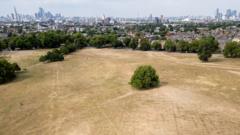
England Faces Unprecedented Drought Conditions Across Multiple Regions
More than half of England's territory is now experiencing drought conditions, according to an official declaration from the Environment Agency. This England drought represents one of the most significant water crises in recent years, impacting vital water resources, agricultural output, and natural ecosystems across the country.
The drought conditions emerged following an exceptionally prolonged period of elevated temperatures and below-average precipitation. This combination has created unprecedented stress on the nation's water infrastructure and environmental systems, prompting authorities to take decisive action in managing the crisis.
Impact on Critical Water Systems and Infrastructure
Rivers throughout the affected regions have experienced historically low water levels, with many streams and tributaries running significantly below their seasonal norms. The Environment Agency has documented severe reductions in water flow across numerous river systems, raising concerns about water availability for both human consumption and environmental maintenance.
The drought declaration signifies that reservoir levels have dropped to concerning thresholds, triggering formal water management protocols. Water companies across England are implementing conservation measures and reviewing their supply networks to ensure adequate distribution during this critical period.
Agricultural Consequences and Crop Damage
Farming communities throughout England have suffered substantial losses due to the prolonged drought conditions. Crops requiring consistent moisture have experienced stunted growth and reduced yields, with some farmers facing complete crop failure across significant portions of their land.
Agricultural experts warn that the drought may have long-term implications for food production and commodity prices. Livestock farmers have also reported challenges in maintaining adequate pasture for their animals, requiring supplementary feeding strategies that increase operational costs.
Environmental and Wildlife Effects
Natural habitats and wildlife populations face severe threats from the England drought situation. Wetlands have shrunk considerably, displacing numerous species dependent on aquatic environments. Birds, amphibians, and aquatic insects have all experienced habitat loss and food source reductions.
Conservation organizations have expressed concerns about endangered species populations, particularly those already vulnerable to environmental changes. The drought has intensified competition for remaining water resources among wildlife populations.
Response and Future Outlook
The Environment Agency's formal drought declaration enables implementation of stricter water use restrictions and emergency management protocols. Water conservation measures are being communicated to households and businesses throughout affected regions.
Authorities continue monitoring meteorological forecasts, hoping for precipitation to break the drought cycle. Meanwhile, residents and businesses are being urged to adopt water-saving practices to help preserve supplies during this challenging period.


