Funeral Director Sentenced to 20 Years for Failing to Bury Bodies
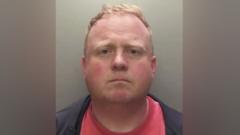
Funeral Director Sentenced to 20 Years in Prison
A prominent funeral director has been sentenced to 20 years in prison following a scandal involving multiple failures to bury bodies and improper cremation procedures that shocked the funeral industry and devastated bereaved families across the region.
The defendant, identified as Robert Bush, operated a funeral home where families entrusted him with their loved ones during their most vulnerable moments. Instead of providing the dignified services promised, the disgraced funeral director engaged in systematic negligence that violated the trust of countless grieving relatives.
Widespread Negligence and Improper Cremations
The investigation revealed that the funeral director failed to properly cremate numerous individuals whose families had paid for cremation services. Beyond the failure to cremate bodies as requested, Bush compounded the deception by distributing ashes belonging to strangers to bereaved families. This unconscionable practice meant that grieving relatives unknowingly scattered or kept the remains of people they had never known.
The scope of the scandal extended far beyond simple administrative errors. Multiple families came forward after discovering inconsistencies in their loved ones' remains or receiving cremains that did not match identifying information. Forensic investigations uncovered evidence that bodies remained unburied and stored improperly for extended periods, violating both legal requirements and basic human dignity standards.
Impact on Grieving Families
The consequences for families who relied on the funeral home were profound and long-lasting. Many reported experiencing secondary trauma upon learning that their loved ones had not received proper burial or that they had unknowingly possessed the wrong remains. Some families had already held memorial services and scattered ashes, only to learn later that they had not been their relatives' remains at all.
Investigators documented cases where families specifically requested burial services, yet their loved ones remained in the funeral home's facilities unburied. The lack of proper record-keeping and oversight allowed these failures to persist undetected for an extended period, affecting dozens of families across multiple years.
Legal Consequences and Industry Reform
The 20-year prison sentence handed down reflects the severity of the offenses and the profound breach of trust involved. Prosecutors argued that the funeral director's actions constituted fraud, improper handling of human remains, and negligent treatment of deceased persons. The conviction also prompted regulatory bodies to examine funeral home oversight and implement stricter requirements for documentation and inspection.
The case has sparked broader discussions about funeral industry regulation and the need for stronger safeguards to protect families during funeral arrangements. Many states have since reviewed their licensing requirements and inspection protocols for funeral homes to prevent similar incidents from occurring in the future.
Statement from Authorities
Law enforcement agencies emphasized the significance of holding funeral professionals accountable for their duties. The investigation into the funeral director's operation required extensive coordination between multiple agencies and forensic specialists to reconstruct which remains belonged to which deceased individuals.
This high-profile case serves as a cautionary tale about the importance of proper regulation in industries that serve vulnerable populations during times of grief. Families placing their trust in funeral homes deserve assurance that their loved ones will receive dignified treatment and proper care.