How Limited Conflict With America Could Benefit Iran's Strategy
Iran's Strategic Calculation in Limited Conflict
Recent geopolitical developments suggest that Iran may perceive a strategy of limited conflict with the United States as more advantageous than pursuing traditional peace negotiations. This Iran US conflict strategy represents a complex approach to regional power dynamics, allowing Tehran to maintain pressure on American interests while ostensibly avoiding catastrophic military escalation.
The concept of controlled tensions has become increasingly relevant in contemporary Middle Eastern politics. Rather than seeking comprehensive peace agreements, Iranian policymakers appear to be calibrating their responses to maintain a delicate balance of deterrence and engagement. This approach reflects decades of experience managing international relations in one of the world's most volatile regions.
The Logic Behind Selective Pressure
Understanding why limited war with the US might align with Iranian interests requires examining multiple strategic dimensions. First, controlled military posturing allows Iran to demonstrate strength to domestic audiences and regional allies without triggering responses that could prove catastrophic for the nation's infrastructure and economy.
Tehran's historical experience with conventional warfare demonstrates the devastating consequences of direct military confrontation with technologically superior adversaries. The Iran-Iraq War of 1980-1988 resulted in approximately one million casualties and massive economic damage. This collective memory influences current strategic thinking, suggesting that policymakers learned to value calibrated approaches over total military commitment.
Second, limited conflict enables Iran to maintain leverage in ongoing regional disputes. By sustaining asymmetric pressure through proxy forces, cyber operations, and strategic military posturing, Iranian leadership can influence regional dynamics in Syria, Iraq, Lebanon, and Yemen without exposing its armed forces to decisive defeat.
Economic and Political Dimensions
The economic calculus surrounding Iran military deterrence extends beyond military considerations. Comprehensive peace agreements might require concessions regarding nuclear programs, regional military presence, or domestic political reforms that current leadership views as unacceptable. Limited conflict, conversely, permits Tehran to maintain its negotiating position while preserving strategic autonomy.
Domestically, controlled tensions serve important political functions. The Islamic Republic's legitimacy partially derives from its role as a defender of national sovereignty against external threats. Complete reconciliation with Washington might undermine this foundational narrative, potentially destabilizing domestic political structures that depend on sustained external adversity.
Regional Power Dynamics and Deterrence
Iran's approach to US Iran relations must be understood within the broader regional context. The nation faces competition from Saudi Arabia, Israel, and various Gulf states, all of whom maintain varying degrees of alignment with American interests. Limited conflict allows Iran to:
Maintain deterrence capabilities that discourage direct military aggression from regional adversaries. Preserve influence over proxy networks across Iraq, Syria, Lebanon, and Palestine. Sustain technological and military development programs that enhance long-term strategic capabilities. Control the narrative surrounding national defense and security preparedness.
The Asymmetric Warfare Framework
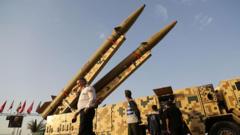
Modern geopolitical tensions Middle East increasingly involve asymmetric tactics rather than conventional warfare. Iran has invested substantially in developing capabilities across multiple domains: ballistic missiles, drone technologies, naval asymmetric warfare, and cyber operations. These tools enable the country to impose costs on American interests without escalating to levels that would trigger overwhelming military responses.
The 2019 attacks on Saudi oil facilities and periodic confrontations in the Persian Gulf exemplify this calibrated approach. Each incident demonstrated Iranian capabilities while remaining below thresholds that would justify American military intervention on the scale of recent Middle Eastern campaigns.
Alternative to Traditional Diplomacy
Rather than perceiving limited war with the US as a permanent state, Iranian strategists likely view it as preferable to peace arrangements that compromise national interests. Comprehensive peace treaties historically require significant concessions from all parties. For Iran, such arrangements might necessitate dismantling regional influence networks or accepting restrictions on weapons programs.
Limited conflict, by contrast, preserves flexibility. Tehran can pursue tactical negotiations on specific issues while maintaining overall strategic posture. This approach permits incremental adjustments based on changing circumstances, technological developments, and regional power shifts.
Conclusion: A Strategy of Calculated Balance
The Iranian perspective on limited conflict with America reflects rational strategic thinking rooted in historical experience and contemporary realities. By maintaining controlled pressure rather than pursuing peace or total war, Tehran believes it can preserve national interests, regional influence, and domestic legitimacy simultaneously. This calculation represents not recklessness but sophisticated understanding of how state actors navigate complex international environments where complete victory remains unattainable and unconditional surrender remains unacceptable.