Hundreds Escape Greek Wildfire by Boat Amid European Blaze Crisis
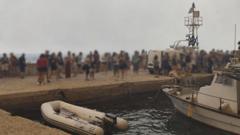
Greek Wildfire Forces Mass Evacuation by Sea
A significant Greek wildfire evacuation took place as approximately 500 individuals, predominantly visitors to the region, were rescued from Agios Vasileios following an unexpected entrapment due to rapidly advancing flames. The Greek wildfire evacuation represented one of the most dramatic emergency responses in recent European disaster management, with maritime vessels coordinating an intensive rescue operation along the coastline.
Details of the Emergency Response
Emergency personnel deployed multiple boats to extract residents and tourists who found themselves surrounded by advancing flames in the coastal settlement. The operation unfolded with precision as authorities recognized the critical window for conducting the sea-based evacuation before conditions deteriorated further. Officials coordinated with maritime authorities to ensure sufficient vessel capacity for transporting all stranded individuals to safety.
The rescued individuals included families with children, elderly residents, and international visitors who had been holidaying in the area. Local authorities established temporary shelters to accommodate evacuees while they awaited reassignment to secure locations inland. Medical teams were stationed at evacuation points to assess anyone requiring immediate healthcare attention.
Broader European Wildfire Context
This Greek wildfire evacuation represents a component of a larger wildfire crisis spreading across multiple European nations. The continent has experienced exceptional fire activity, with meteorological conditions creating particularly hazardous circumstances for flame propagation. Temperature records, reduced moisture levels, and strong winds have created an environment where fires spread with unprecedented velocity.
Several European countries have mobilized their respective firefighting resources, with mutual aid agreements enabling cross-border assistance. Aerial firefighting assets, ground crews, and emergency management personnel have been deployed to combat the escalating crisis. The situation demonstrates the interconnected nature of environmental challenges across the European continent.
Impact on Tourism and Local Communities
The wildfire situation has created significant disruptions to tourism operations throughout affected regions. Popular destinations have experienced temporary closures, with visitors being redirected or evacuated. Local economies dependent on seasonal tourism face substantial losses as businesses remain shuttered during peak revenue periods.
Residents in susceptible areas have also experienced considerable anxiety regarding property protection and personal safety. Many communities have implemented evacuation protocols and established alert systems to ensure rapid response capabilities. The psychological impact on local populations extends beyond immediate danger, as concerns about seasonal fire recurrence influence residential stability and long-term planning decisions.
Environmental and Climate Considerations
Climate scientists attribute the intensified wildfire season to shifting atmospheric patterns and elevated global temperatures. Drought conditions have desiccated vegetation, creating abundant fuel for fire spread. Extended fire seasons now characterize Mediterranean regions, with blazes occurring outside traditional timeframes.
The environmental consequences of extensive wildfires include habitat destruction, air quality degradation, and soil composition alteration. Ecosystem recovery requires years, and some affected areas may experience permanent landscape transformation. Carbon emissions from wildfires contribute additionally to atmospheric greenhouse gas concentrations.
Government and International Response
Greek authorities have mobilized comprehensive emergency resources to manage the wildfire situation and coordinate ongoing evacuations. The government coordinated with European Union partners to request additional firefighting assistance and personnel support. International cooperation mechanisms have facilitated resource sharing among affected nations.
Authorities continue monitoring weather forecasts and fire behavior patterns to anticipate additional evacuation requirements. Communication campaigns provide residents with real-time information regarding emergency procedures and designated evacuation routes. Continuity planning addresses both immediate crisis management and long-term reconstruction initiatives for affected communities.