Philp Disputes French Navy Training Exercise Claim After Channel Incident
Shadow Home Secretary Challenges French Navy Account
The French navy Channel incident involving Conservative MP Chris Philp has escalated as the shadow home secretary disputes official French claims regarding the nature of the military operation. Philp, who was conducting fieldwork to monitor small boat crossings in the English Channel, has publicly rejected the French naval assertion that the incident constituted a routine training exercise, describing instead what he characterizes as deliberate intimidation.
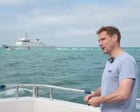
During a BBC interview conducted from a vessel in the Channel, the warning shots Channel episode unfolded when a French warship approached and discharged what Philp identifies as 17 live rounds. The Conservative MP emphasized the absence of prior notification, stating categorically that no training exercise had been declared or communicated beforehand. This distinction proves crucial to understanding Philp's interpretation of the events and his subsequent public statements.
Eyewitness Account and Official Response
Through social media communications, Philp provided a detailed account of the encounter. He documented that the French warship approached at close proximity during his media engagement, with the discharge occurring immediately behind his vessel. The shadow home secretary stressed the unexpected nature of the event, highlighting how it "felt like warning shots or attempted intimidation," according to his direct observations from the location.
The UK French naval dispute marks a significant diplomatic moment, particularly given recent tensions in maritime zones. Unlike previous incidents involving Russian vessels in the same waters, this encounter involves a NATO ally, adding complexity to the international dimensions of the situation. French naval officials have presented an alternative narrative, maintaining that the discharge represented standard training protocol rather than any form of hostile action or warning.
Context of Channel Operations
Philp's presence on the vessel aligned with ongoing Conservative Party efforts to maintain parliamentary oversight of irregular migration activities across the English Channel. The Conservative MP Channel monitoring initiatives have become increasingly prominent within UK political discourse as migration remains a contested policy area. The timing of the French warship encounter during this monitoring operation raises questions about coordination between British and French maritime authorities.
The broader operational context involves ongoing British efforts to address small boat crossings, a priority highlighted throughout Conservative political communications. This background demonstrates why Philp's presence in the Channel carried significance beyond routine observation, representing part of sustained political engagement with immigration policy enforcement.
Dispute Resolution and Diplomatic Implications
The divergence between Philp's characterization and French explanations creates a notable diplomatic challenge. The absence of advance warning, as emphasized by the Conservative MP, contradicts standard military protocols typically employed during scheduled exercises. Training operations conventionally include notification procedures to ensure maritime safety and prevent misunderstandings among civilian and military vessels operating in shared waters.
Philp's insistence that "there was no notice" and the incident "looked and sounded like deliberate intimidation" establishes a clear factual dispute that extends beyond simple miscommunication. The distinction between routine training and undeclared military activity carries substantial diplomatic weight, particularly given ongoing cooperation frameworks between British and French maritime services.
Broader Prison Reform Discussion
During the same media appearance disrupted by the French navy encounter, Philp engaged substantively with questions regarding prison capacity crises within the British penal system. The Conservative MP acknowledged that previous Conservative government initiatives had proven insufficient to address systemic overcrowding challenges. He articulated proposals for international approaches, referencing Swedish cooperation arrangements with Estonia that permit housing of convicted individuals in foreign facilities rather than facilitating early release of violent offenders.
Philp emphasized that resolving prison capacity required public acceptance of new facility construction, acknowledging widespread resistance to locating correctional institutions within residential communities. His acknowledgment that "everybody says 'no prison near me'" reflected the genuine barriers to infrastructure development across numerous policy domains, extending beyond criminal justice considerations.
Moving Forward
The French navy Channel incident remains unresolved regarding official explanations, while Philp's account continues circulating through political and media channels. The incident underscores ongoing sensitivities surrounding maritime operations in the English Channel, where British and French interests frequently intersect. Whether diplomatic channels will resolve the characterization dispute or whether further official statements emerge remains pending, as both governments navigate this unexpected complication in contemporary bilateral relations.