Polanski avoids charges after sharing guillotine image
Metropolitan Police Concludes Investigation Into Polanski's Social Media Post
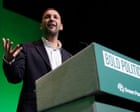
The Metropolitan Police has announced that it will pursue no further action regarding Polanski guillotine image shared by Zack Polanski, the Green Party leader for England and Wales. The decision concludes an investigation that began following the circulation of a photograph depicting a man wearing a t-shirt with imagery and text that critics argued carried inflammatory connotations toward Nigel Farage.
Scotland Yard's determination that the threshold for criminal prosecution has not been met marks a significant moment in the ongoing political tensions between the Polanski guillotine image incident and the broader rivalry between Green Party and Reform UK leadership. The investigation examined whether the shared content breached any criminal legislation related to threatening communications or incitement.
Polanski's Statement and Refusal to Apologize
Zack Polanski has characterized the sharing of the image as an "inadvertent mistake" rather than a deliberate act of provocation. Despite mounting pressure from political opponents and media commentators, the Green Party leader has maintained his position by declining to offer an apology to Nigel Farage, his counterpart in Reform UK.
The refusal to apologize has intensified debate surrounding accountability in political discourse. Many observers have questioned whether Polanski's explanation adequately addresses concerns about the nature and context of the content he distributed across social media platforms. The image in question featured a t-shirt with the phrase "we're only making plans for Nigel," combined with a guillotine motif that numerous political figures and commentators interpreted as possessing threatening undertones.
Police Investigation Details and Legal Threshold
The Metropolitan Police's investigation into the Polanski guillotine image incident involved examining whether the shared photograph constituted a criminal offense under United Kingdom law. Officers assessed whether the content met the legal threshold for charges related to threatening behavior, incitement to violence, or other relevant statutes governing online communications.
Scotland Yard's conclusion that no criminal threshold was met suggests that investigators determined the image did not satisfy the stringent legal requirements necessary for prosecution. This determination reflects the complex balance between protecting freedom of expression and safeguarding individuals from genuine threats or incitement to harm. The decision by the Metropolitan Police indicates that, despite the controversial nature of the content, prosecutors found insufficient evidence to proceed with criminal charges against Polanski.
Political Context and Broader Implications
The incident involving the Polanski guillotine image emerged within a charged political environment characterized by increasingly heated exchanges between leaders of different political parties. The Green Party and Reform UK have engaged in substantive policy disagreements, and this incident has added another layer to their rivalry.
Nigel Farage, who leads Reform UK, has been a prominent and often controversial figure in British politics for decades. The reference to "making plans for Nigel" in the image sparked widespread concern among those who perceived it as containing veiled threats or sinister implications. However, Polanski and his supporters have argued that the context and intent behind sharing the image have been misrepresented by political opponents and sections of the media.
Social Media and Political Discourse
This episode highlights ongoing challenges surrounding the role of social media in contemporary political discourse. The rapid circulation of images and messages online has created an environment where context can be easily lost, and interpretations of content may vary dramatically depending on viewers' political perspectives.
The Polanski guillotine image incident demonstrates how a single shared post can generate significant political controversy and initiate formal police investigations. The ease with which digital content spreads across platforms means that political figures must exercise considerable caution when engaging with user-generated content, particularly material that contains symbolism that could be construed as ambiguous or provocative.
Conclusions and Aftermath
With Scotland Yard's decision to take no further action, the formal investigation into Zack Polanski and the Polanski guillotine image has concluded. However, the political and reputational dimensions of the controversy are likely to persist within broader discussions about political conduct and accountability in digital spaces. Polanski's refusal to apologize may continue to fuel criticism from political opponents, regardless of the Metropolitan Police's determination regarding criminal liability. The incident serves as a reminder of the heightened sensitivities surrounding political discourse and the potential consequences of sharing unverified or ambiguous content online.