Supreme Court Reviews Palestine Action Ban in Historic Challenge
Supreme Court Reviews Palestine Action Ban in Historic Challenge
The United Kingdom's highest judicial authority has granted permission for a Supreme Court appeal challenging the controversial proscription of Palestine Action under anti-terrorism legislation. This significant legal decision marks a pivotal moment in the ongoing dispute between the activist organization and the government regarding its classification as a terrorist entity.
The Appeal Permission Granted
In a development that underscores the complexity of balancing national security with civil liberties, the Supreme Court has authorized the co-founder of Palestine Action to pursue an appeal against the government's decision to ban the organization. This ruling demonstrates that the highest court in the UK recognizes sufficient legal grounds warrant further examination of the case and its implications for both the group and broader questions of governmental authority.
Background to the Proscription
Palestine Action, an activist organization focused on Palestinian rights and anti-Israeli settlement activities, was designated as a proscribed organization under the Terrorism Act 2000. The government's decision to classify the group under anti-terrorism legislation represented a controversial move that has been contested by civil liberties advocates and legal experts who question whether the organization's activities truly meet the statutory definition of terrorism.
The proscription means that membership in Palestine Action is illegal, as is providing support or resources to the organization. Individuals caught engaging with the banned entity face potential criminal charges and imprisonment. These severe legal consequences have prompted the group's leadership to challenge the government's authority to make such designations.
Legal Arguments and Civil Liberties Concerns
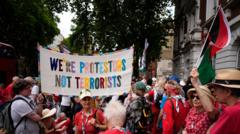
The appeal raises fundamental questions about freedom of association, freedom of expression, and the government's power to restrict political activism through anti-terrorism legislation. Critics argue that the Supreme Court Palestine Action ban review will test whether the government properly applied legal standards when designating the organization as a terrorist entity.
Legal scholars and human rights organizations have highlighted concerns that proscription laws may be applied too broadly, potentially criminalizing legitimate political protest and activism. The case has attracted significant attention from civil liberties groups who view the outcome as having far-reaching implications for how the state regulates political dissent and activism in the United Kingdom.
The Supreme Court's Role
The UK Supreme Court serves as the nation's final court of appeal and has authority to overturn decisions made in lower courts and to issue guidance on matters of constitutional importance. By granting permission for this appeal, the court has determined that the case involves issues of sufficient legal or public importance to warrant its consideration at the highest judicial level.
The hearing of this case will likely receive substantial media attention and could set legal precedents affecting how similar proscription decisions are reviewed and challenged in future cases. The court's decision on whether the proscription was lawfully made will have implications extending far beyond Palestine Action itself.
Timeline and Next Steps
Following the grant of permission, the case will proceed through the Supreme Court's formal procedures. Both the appellant's legal team and government representatives will present written submissions and oral arguments before the judicial panel. The court will then deliberate and issue a judgment that addresses the specific legal questions raised by the challenge.
The timing of the hearing and eventual decision remains subject to the court's scheduling procedures, though such high-profile cases are often prioritized. Legal observers anticipate that the judgment could come within months rather than years, given the public significance of the matter.
Broader Implications
The Palestine Action legal case represents more than a dispute between one activist group and the government. It exemplifies the ongoing tension between national security concerns and the protection of political freedoms in democratic societies. The outcome will influence how civil rights advocates, activists, and legal professionals understand the application and scope of anti-terrorism legislation in the United Kingdom.
Whether the Supreme Court upholds the proscription or determines it was unlawfully imposed, the decision will shape the landscape of political activism and government regulation for years to come. The case underscores the importance of robust judicial review in maintaining the balance between governmental authority and individual liberties in a functioning democracy.