Trump Pledges Investigation Into EU Tech Fines Against US Companies
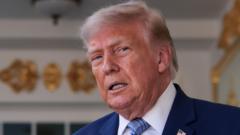
Trump's Position on EU Tech Fines
The United States president has made a significant commitment to investigate the European Union's enforcement actions against major American technology corporations. This EU tech fines investigation represents a major shift in transatlantic regulatory relations, as Trump declares that all penalties imposed on companies like Google, Apple, Meta, and Amazon should be "entirely reversed."
The president's statement reflects growing tensions between Washington and Brussels over how European authorities regulate Silicon Valley's largest corporations. These fines, accumulated over several years of EU antitrust investigations, have reached substantial figures, prompting strong reactions from the American administration.
Background on EU Regulatory Actions
The European Union has pursued aggressive enforcement campaigns against leading technology firms operating within its jurisdiction. Google has faced particularly significant penalties related to antitrust violations, search competition practices, and data handling concerns. Apple has received fines regarding App Store policies and anti-competitive practices. Meta, formerly known as Facebook, has confronted multiple enforcement actions concerning user data and market competition. Amazon similarly has been scrutinized for its marketplace practices and alleged anti-competitive behavior.
These regulatory decisions emerged from the EU's strict approach to technology sector oversight, which differs substantially from the United States regulatory framework. European authorities have emphasized protecting consumers, smaller competitors, and digital market competition through robust enforcement of competition law.
Trump's Investigation Strategy
The Trump administration plans to launch a comprehensive investigation into the rationale and legality of these EU tech fines. Officials argue that American companies have been unfairly targeted by Brussels regulators, potentially in violation of international trade principles. The administration suggests that European authorities have weaponized regulatory enforcement against US technology leaders.
This investigative approach could result in retaliatory trade measures or formal complaints through international trade dispute mechanisms. The Trump administration has previously demonstrated willingness to pursue aggressive trade policies when it perceives unfair treatment of American businesses abroad.
Implications for US-EU Relations
The threatened investigation into EU tech fines represents another point of friction in transatlantic relations. Trade officials on both sides have expressed concerns about potential escalation into broader trade disputes. The investigation could complicate ongoing negotiations regarding digital taxation, data transfer agreements, and technology sector regulation.
European regulators have maintained that their enforcement actions comply with EU law and serve legitimate public interests. Brussels officials argue that the technology sector requires proportionate oversight to protect competition and consumer welfare.
Global Impact and Industry Response
Technology companies operating across multiple jurisdictions face increasingly complex regulatory environments. The investigation into EU tech fines may influence how corporations structure compliance programs internationally. Industry groups have expressed concerns about regulatory unpredictability and potential trade escalation.
This situation highlights fundamental disagreements between American and European approaches to technology regulation. The Trump administration favors lighter regulatory touch and market-driven solutions, while the EU emphasizes consumer protection and competitive safeguards.
Looking Forward
The investigation into these EU tech fines will likely proceed through both diplomatic and potentially legal channels. The outcome could reshape transatlantic technology policy for years ahead. Stakeholders across both regions are monitoring developments closely as tensions potentially increase between two major trading partners with fundamentally different regulatory philosophies.


