Trump Administration Implements Ban on New Chinese Humanoid Robots
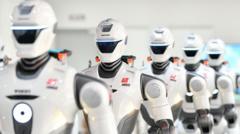
Trump Administration Blocks Chinese Humanoid Robot Imports
The Trump administration has announced a comprehensive ban targeting the importation of new Chinese humanoid robots, marking a significant escalation in the ongoing technological confrontation between Washington and Beijing. This restrictive measure represents a critical juncture in the global race for dominance in robotics and artificial intelligence, as both nations intensify their efforts to establish technological supremacy on the world stage.
The Escalating US-China Technology Competition
The geopolitical tension surrounding Chinese humanoid robots stems from an intensifying competition between the United States and China to lead the world in robotics and artificial intelligence development. Both superpowers recognize the transformative potential of these technologies across industrial, military, and consumer applications, prompting increasingly aggressive strategies to secure competitive advantages.
China has made substantial investments in robotics research and manufacturing over the past decade, emerging as a formidable player in the global market. Chinese companies have developed sophisticated humanoid platforms designed for manufacturing, logistics, and service industry applications. Conversely, the United States maintains significant technological expertise through companies and research institutions, though policymakers express concerns about losing ground to aggressive Chinese innovation strategies.
Strategic Implications of the Import Ban
The Trump administration's decision to prohibit new Chinese humanoid robots represents a protectionist approach aimed at safeguarding American industrial interests and maintaining technological independence. Officials argue that restricting imports of advanced robotics technology prevents potential security vulnerabilities and ensures that critical technological advantages remain within American hands.
This ban carries significant ramifications for multiple sectors. Manufacturing facilities currently utilizing or planning to incorporate Chinese robotics systems face substantial operational adjustments. Companies must now explore alternative suppliers, primarily domestic manufacturers or allied nations, which could increase costs and delay automation initiatives.
Impact on American Robotics Innovation
By limiting competition from Chinese manufacturers, the ban theoretically creates opportunities for American robotics companies to expand market share domestically. This protective measure aims to encourage investment in domestic research and development, potentially accelerating innovation cycles within the United States.
However, the restriction also presents challenges. Limited access to cutting-edge Chinese technology may prevent American engineers and researchers from conducting comparative analysis and learning from competing approaches. Furthermore, Chinese humanoid robots have achieved certain technical specifications at competitive price points, and their unavailability could slow American adoption of automation technologies across various industries.
Broader Context of US-China Tech Rivalry
This action against Chinese humanoid robots aligns with broader Trump administration policies targeting Chinese technological advancement. Previous restrictions have targeted semiconductor manufacturing, artificial intelligence development, and biotechnology sectors. The administration contends that these measures protect American interests and prevent technology transfer to potential adversaries.
China has responded to previous restrictions with reciprocal measures, creating escalating tensions in technology trade. Future Chinese responses to this humanoid robot ban could intensify competitive dynamics and further fragment the global technology supply chain.
Long-Term Consequences for Global Robotics
The prohibition on Chinese humanoid robots may reshape the global robotics landscape over coming years. Nations allied with the United States may align their policies similarly, fragmenting international markets and potentially slowing overall technological progress through reduced collaboration and competition.
Conversely, this approach could accelerate Chinese development of domestic alternatives and strengthen their technological independence. China's substantial investment capacity and large engineering workforce position the nation to overcome import restrictions through enhanced domestic innovation and South-South technology partnerships with other nations.
Conclusion
The Trump administration's ban on Chinese humanoid robots represents a pivotal moment in the intensifying competition between Washington and Beijing over artificial intelligence and robotics supremacy. While intended to protect American interests, the measure's ultimate effectiveness in advancing domestic innovation while limiting Chinese progress remains uncertain. As this technology race continues, the trajectory of global robotics development will likely depend on how both nations adjust their strategies in response to escalating restrictions and countermeasures.


