UEFA Threatens World Cup Boycott Over FIFA Investment Plans
UEFA Takes Firm Stand Against FIFA Investment Proposals
The Union of European Football Associations (UEFA) has declared that the World Cup will not be compromised by commercial interests, following a decisive vote by its 55 member associations. This UEFA World Cup boycott threat represents one of the most significant challenges to FIFA's authority in recent years, as European football governing bodies unite against controversial plans by FIFA leadership.
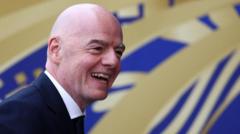
The dramatic decision emerged after extensive discussions regarding FIFA's ambitious investment proposals, which have raised serious concerns among European football administrators. The collective stance demonstrates the depth of opposition to the direction that FIFA and its president, Gianni Infantino, are pursuing with their financial restructuring plans.
The Boycott Vote and Its Implications
All 55 UEFA member associations participated in the historic vote, with a unified consensus opposing FIFA's current investment strategy. This unprecedented level of agreement across European nations signals the gravity of the situation and the widespread belief that FIFA's proposals threaten the fundamental principles of international football competition.
The boycott threat carries substantial weight given Europe's prominence in global football. UEFA represents some of the world's most prestigious football leagues and national teams, making any withdrawal from World Cup competitions a serious blow to FIFA's commercial and sporting interests. The organization's economic model relies heavily on participation from major football-playing nations, particularly those from Europe.
FIFA's Investment Plans Under Scrutiny
The specific investment proposals that triggered this response involve structural changes to how FIFA operates and finances international football competitions. These plans, championed by president Gianni Infantino, include mechanisms that UEFA and its members believe could fundamentally alter the nature of World Cup tournaments and compromise their competitive integrity.
Concerns center on how these investments might reshape tournament formats, scheduling, and the distribution of revenues generated by football's premier global event. European associations worry that prioritizing financial considerations could negatively impact the sport's traditional values and the competitive balance that has defined World Cup tournaments since their inception in 1930.
The Message: "The World Cup Is Not For Sale"
UEFA's powerful statement that "the World Cup is not for sale" encapsulates the core position of European football governance. This declaration serves as both a philosophical stance and a practical warning to FIFA that fundamental changes to the tournament structure will face organized resistance from the continent's football authorities.
The message reflects growing frustration with what many in UEFA perceive as an overcommercial approach to international football. Rather than viewing the World Cup as a sporting event first, critics argue that FIFA's investment plans treat it primarily as a financial asset to be maximized for profit.
Unity Among European Football Authorities
The unanimous support among UEFA's 55 member associations demonstrates extraordinary cohesion. National football federations from countries including Germany, France, Spain, England, Italy, and others have aligned behind this boycott threat, showing that concerns about FIFA's direction transcend national rivalries and competitive interests.
This coalition represents the most coordinated European response to FIFA governance in recent memory. By standing together, these nations can exercise meaningful leverage over FIFA's decision-making processes, as the absence of European teams would severely damage the World Cup's prestige and commercial viability.
What Happens Next
The boycott threat creates a critical juncture for FIFA negotiations. Gianni Infantino and FIFA officials must now decide whether to proceed with their investment proposals or seek compromise with European football leadership. The stakes extend beyond UEFA's immediate concerns to encompass the future governance structure of international football.
If FIFA refuses to reconsider its position, UEFA's 55 member associations have indicated they are prepared to follow through on their boycott commitment. This scenario would present an unprecedented crisis for the World Cup's future, potentially forcing FIFA to reorganize tournaments around non-European participants or fundamentally rethink its strategic direction.
The coming weeks and months will prove crucial in determining whether dialogue can bridge the gap between FIFA's commercial ambitions and UEFA's commitment to preserving the World Cup as a sporting rather than purely commercial enterprise. European football's unified stance ensures this dispute will significantly influence FIFA's decision-making process going forward.